

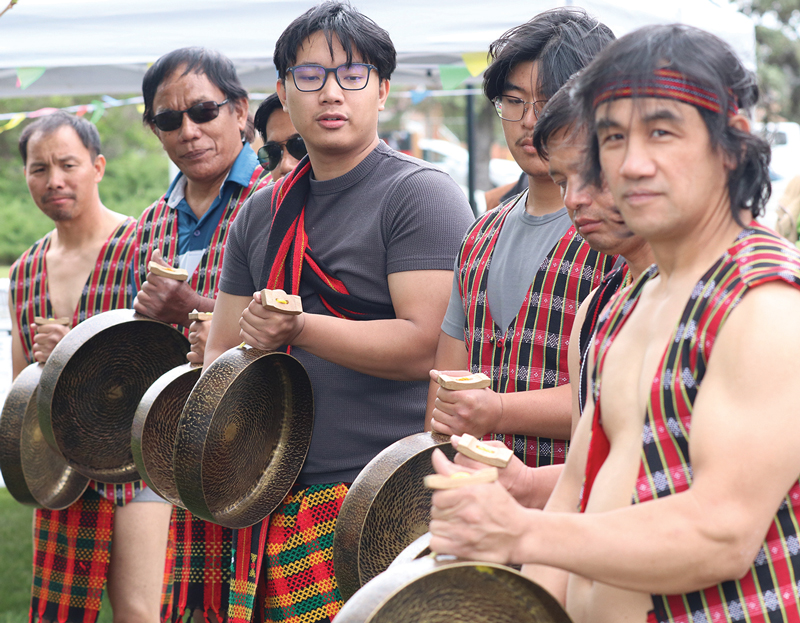
Fort Macleod residents joined with the local filipino community Saturday to celebrate the 128th anniversary of Philippine independence.
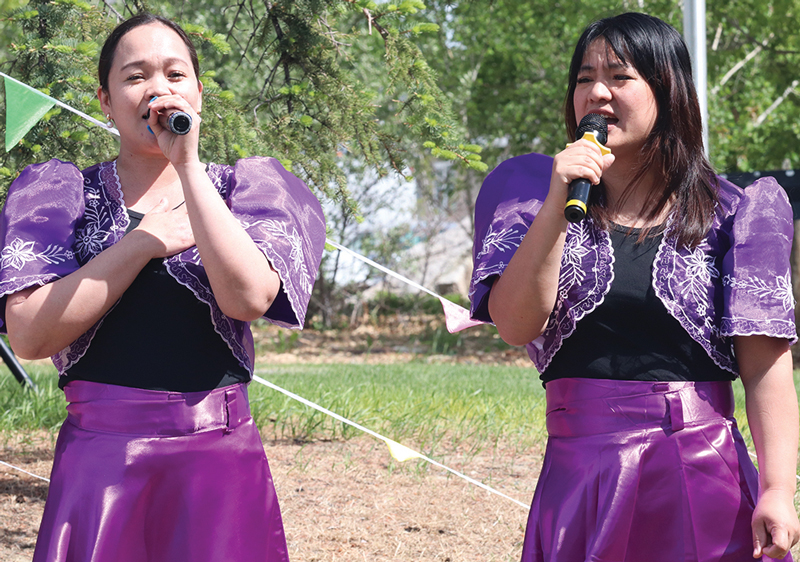
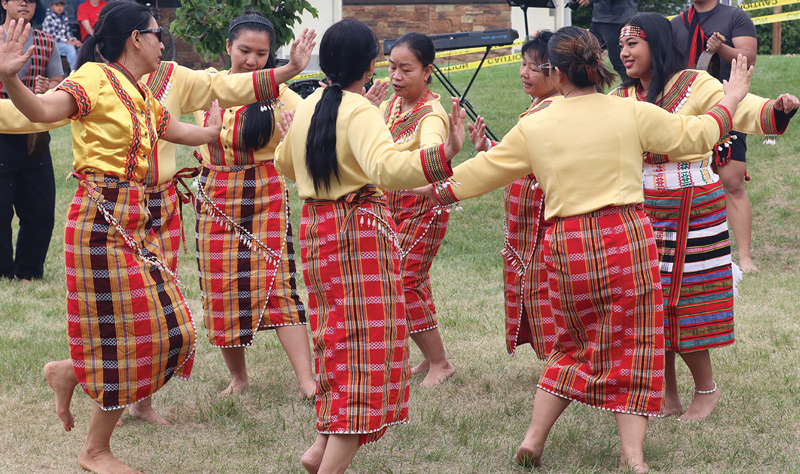
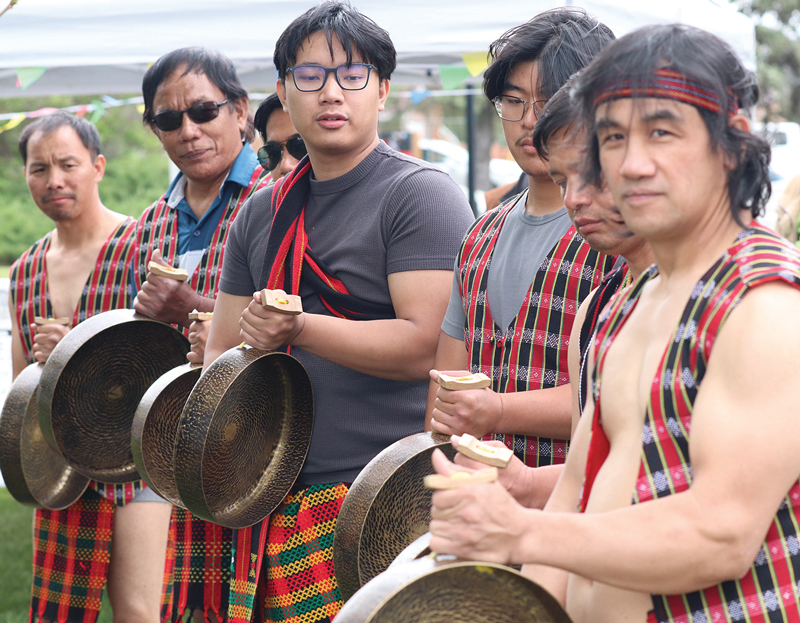
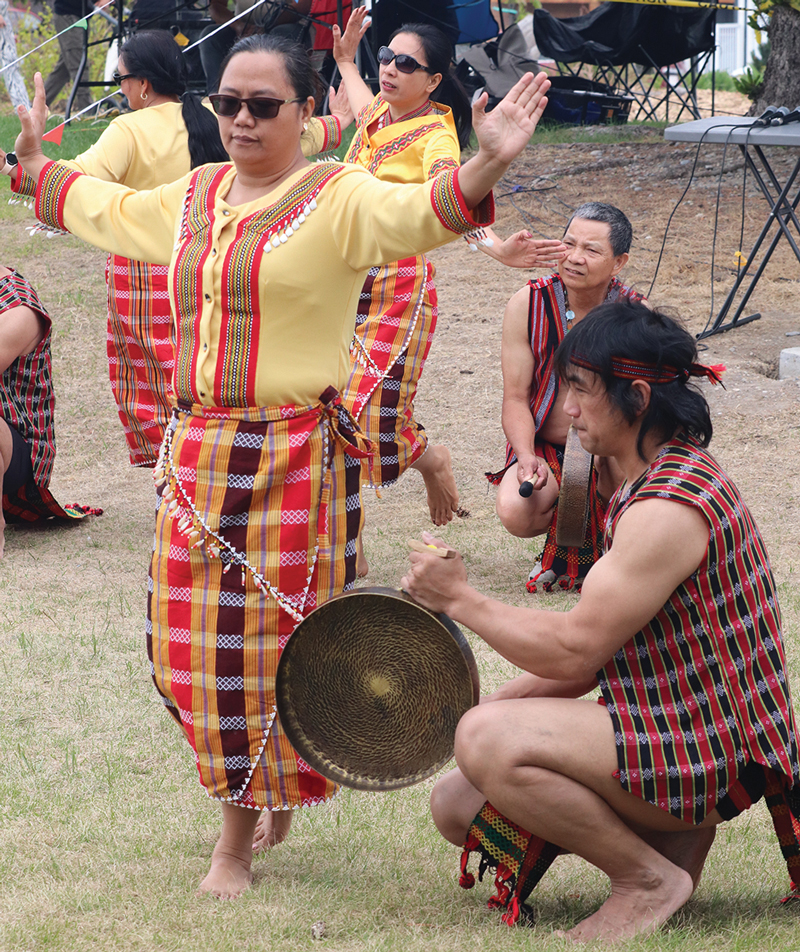
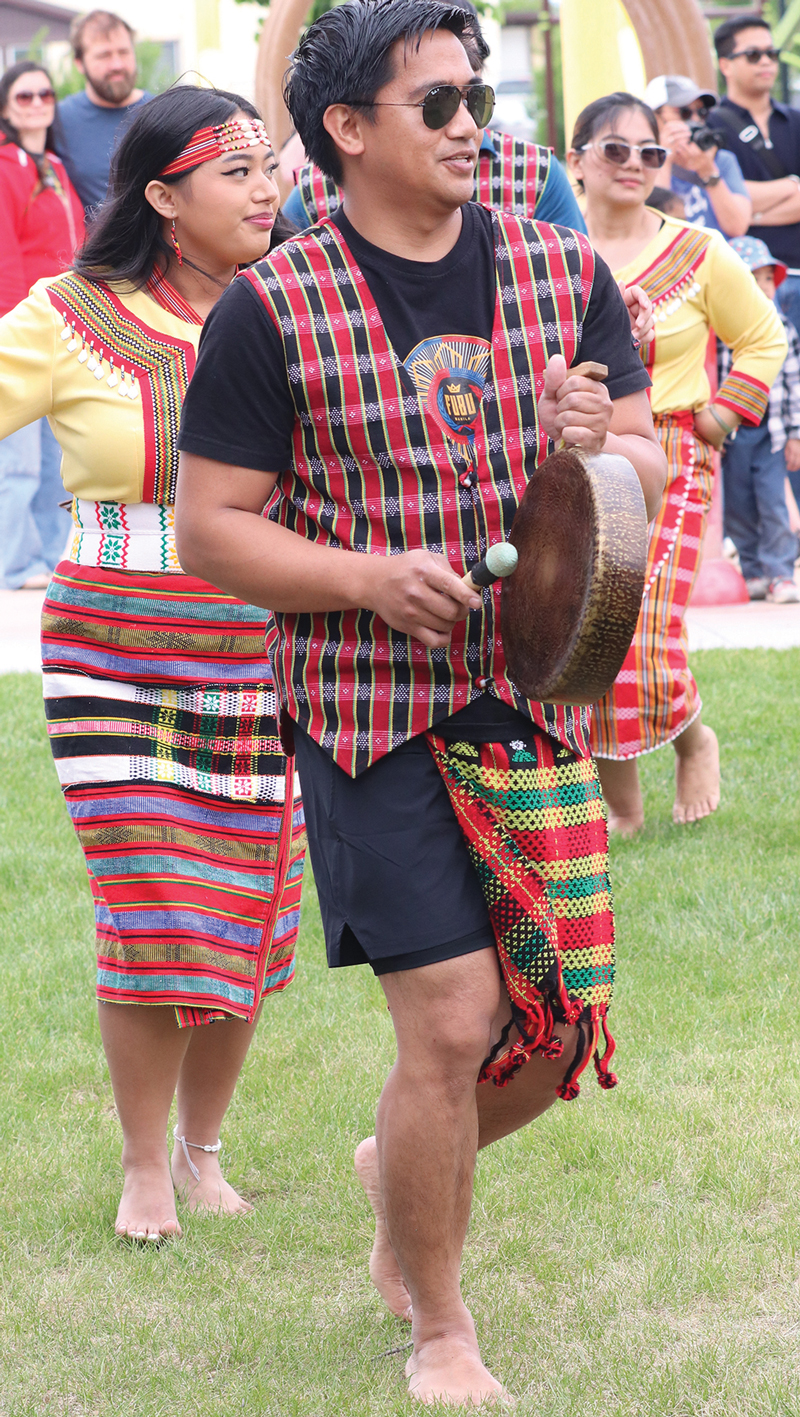
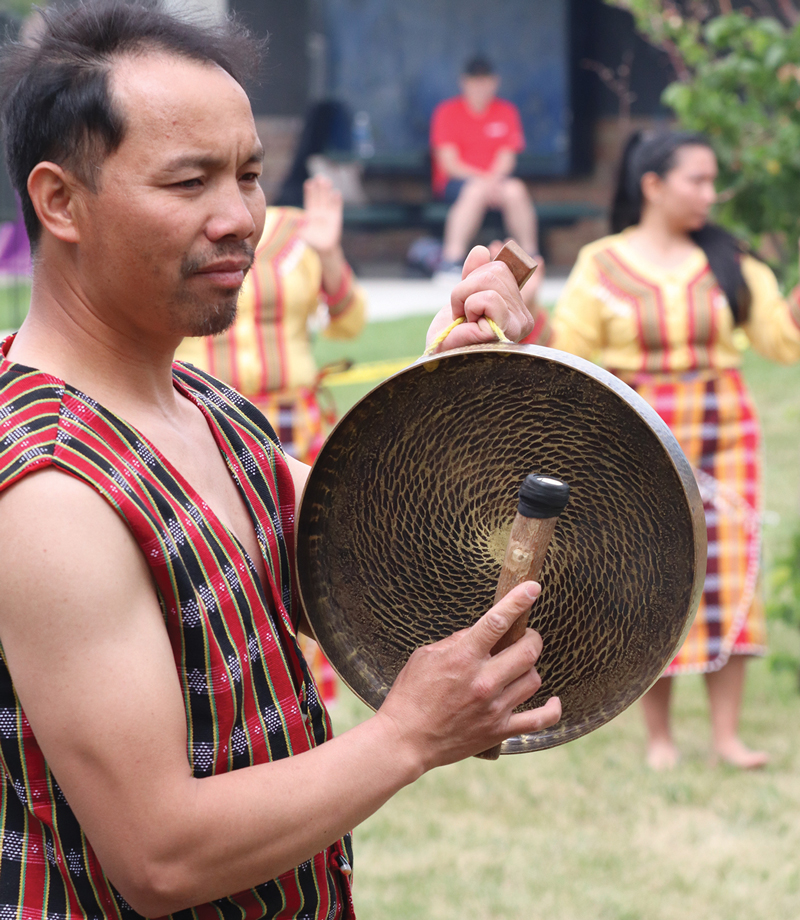
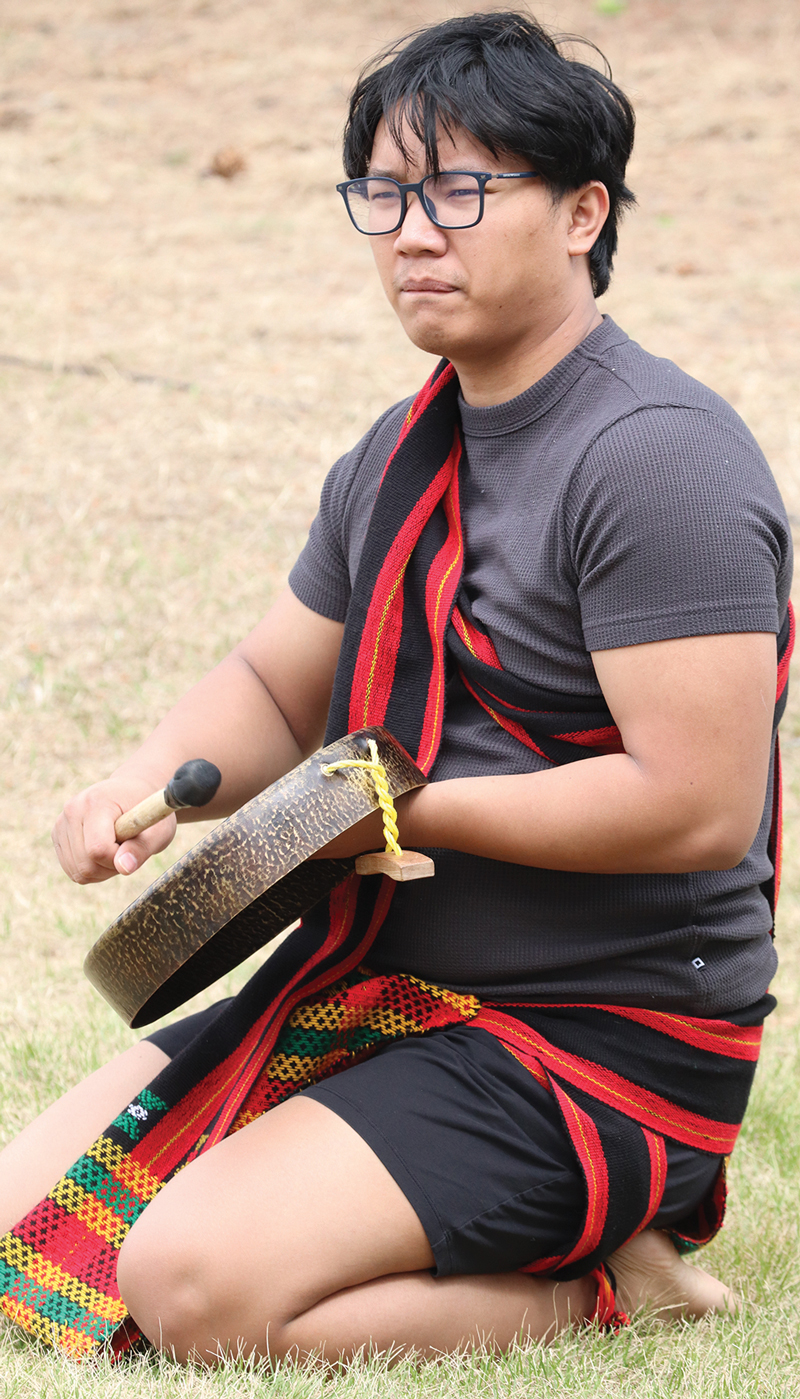
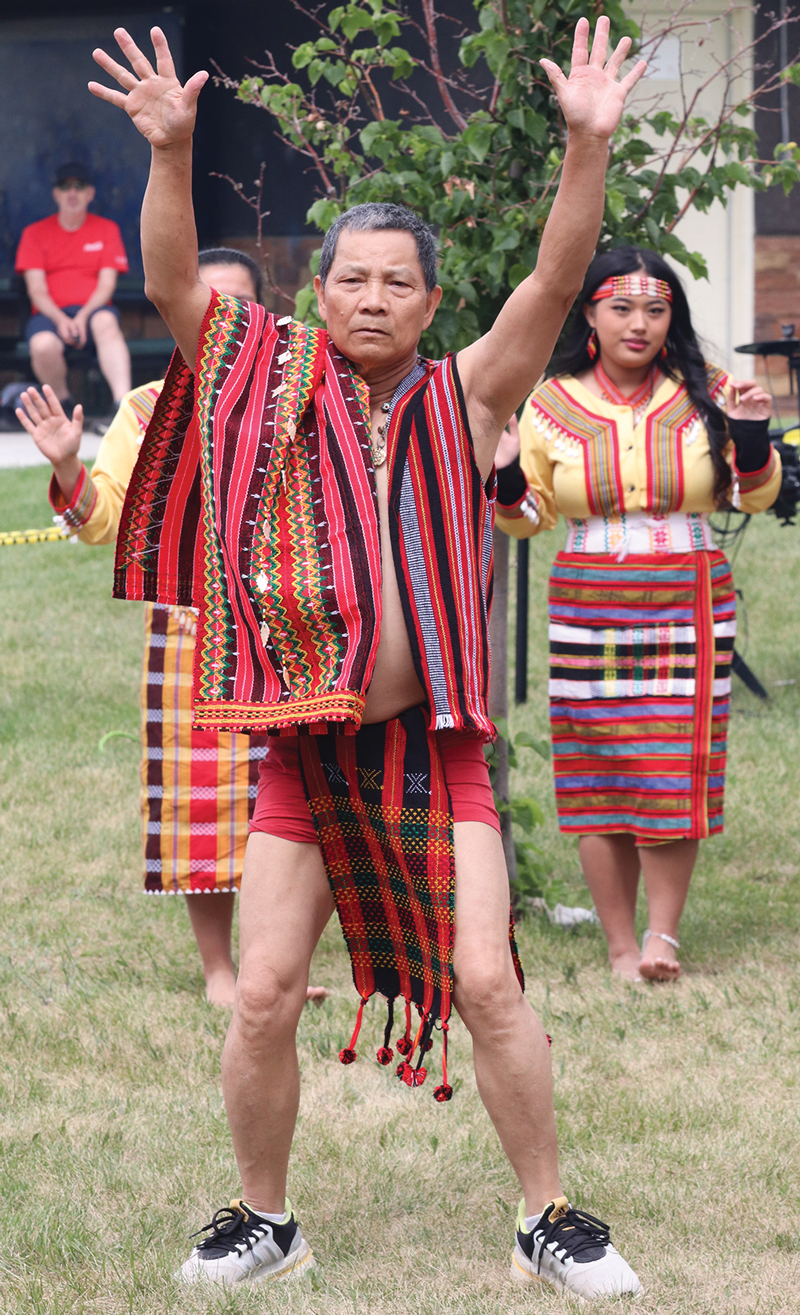
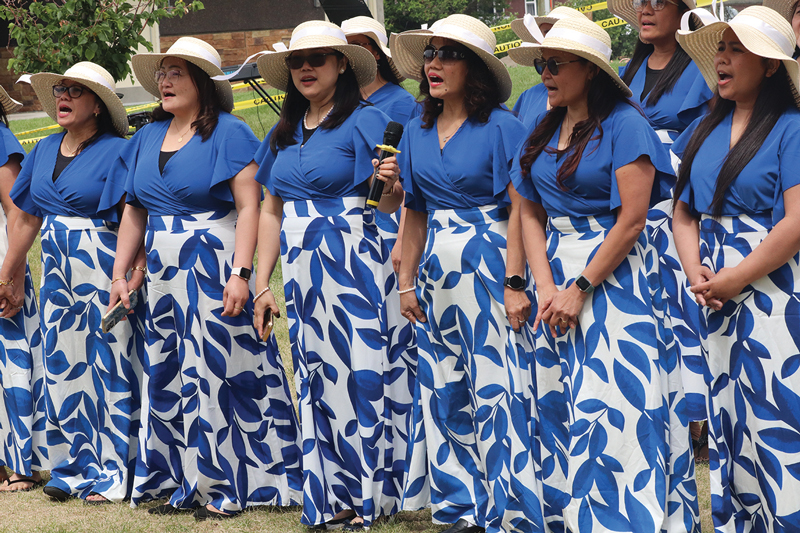
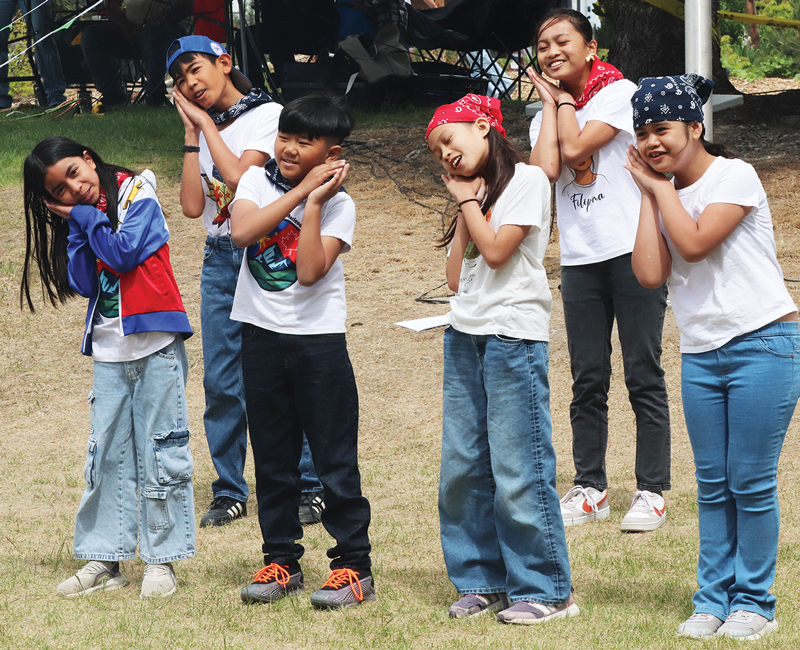
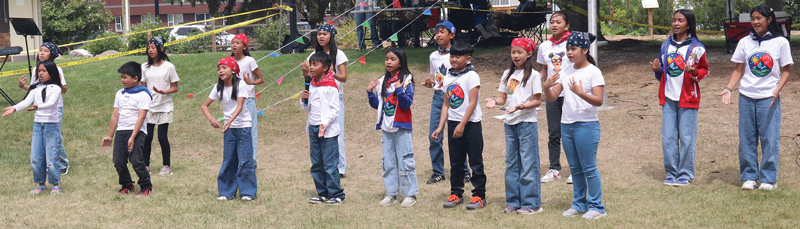
Hundreds of people turned out at Centennial Park for a three-hour celebration that included dance, song, food and the raising of the Philippine flag.
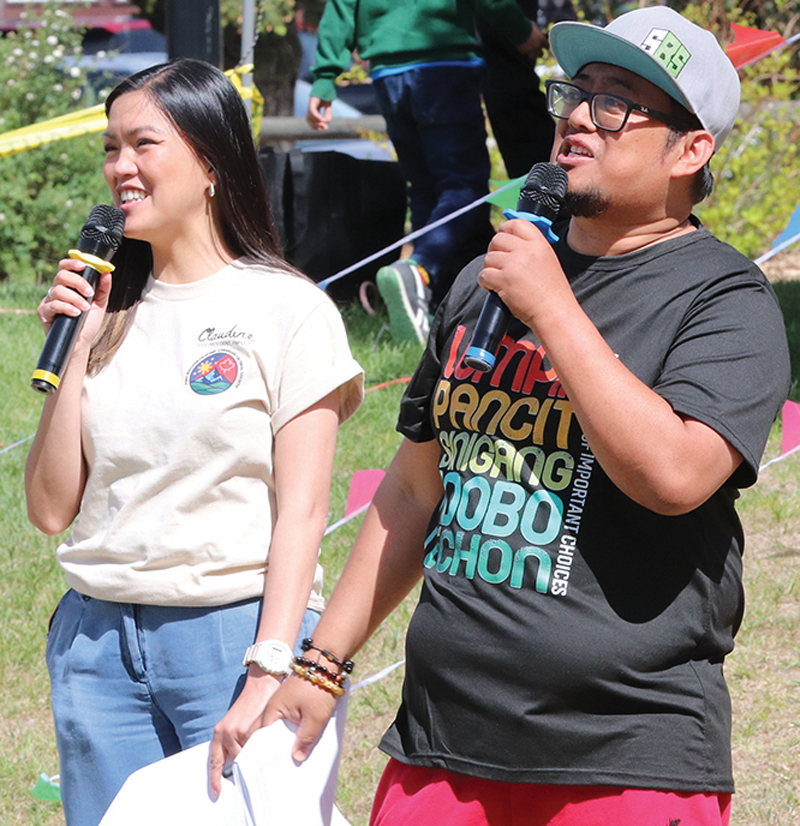
“Today is a special day as we gather to celebrate our heritage, our stories and the vibrant culture that connects us across generations,” said Claudine Zaragoza, who was master of ceremonies with Bernardo Neri.
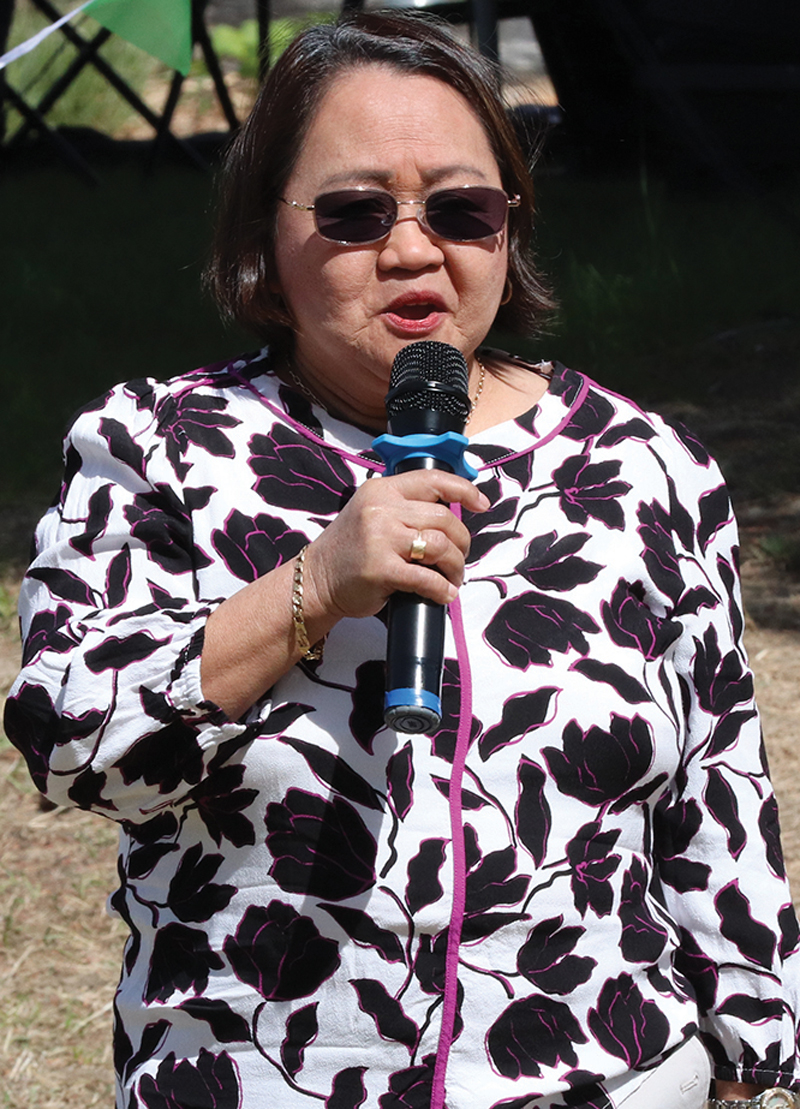
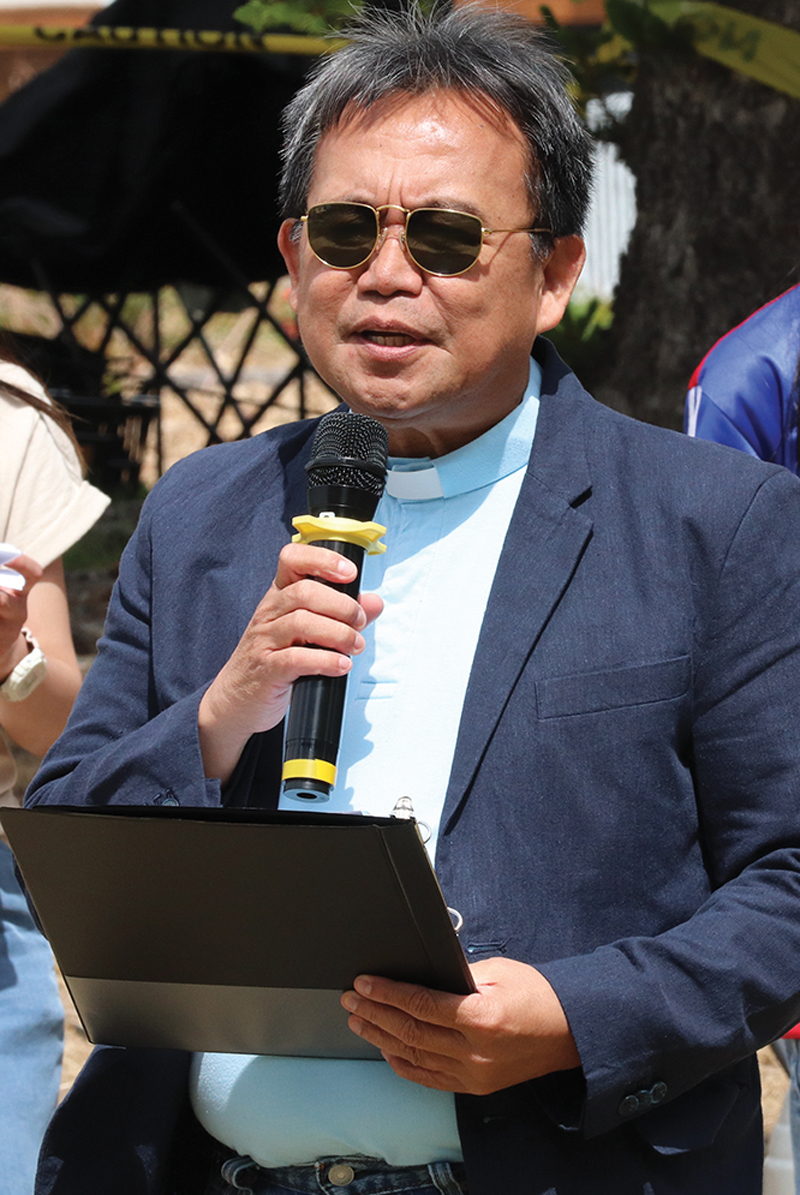
Ate Cora Samonte offered the opening prayer.
Betty Ann Little Wolf, an elder from the Piikani Nation, provided a blessing for the event, thanking the Creator for the blessing of the beautiful day.
“I would also like to express to you my gratitude for this place, this beautiful place, how we’re all together today,” Little Wolf said. “In our culture, we call everybody family.”
Little Wolf, who said her prayer in Blackfoot — the language she was prevented from speaking for years by Canadian authorities — asked for understanding between the two cultures.
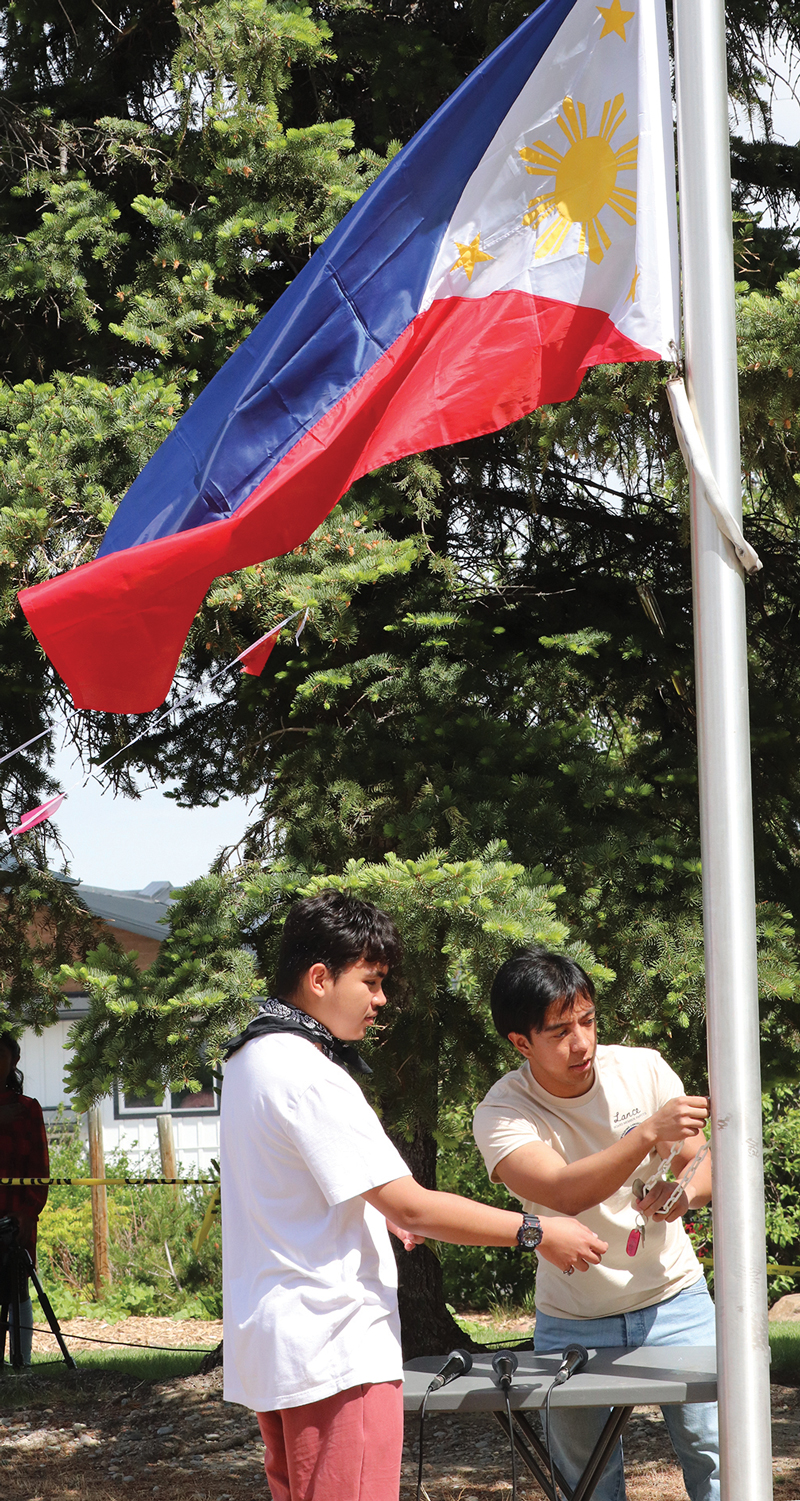
Following the blessing, the flag of the Philippines was raised on the community flagpole in Centennial Park.
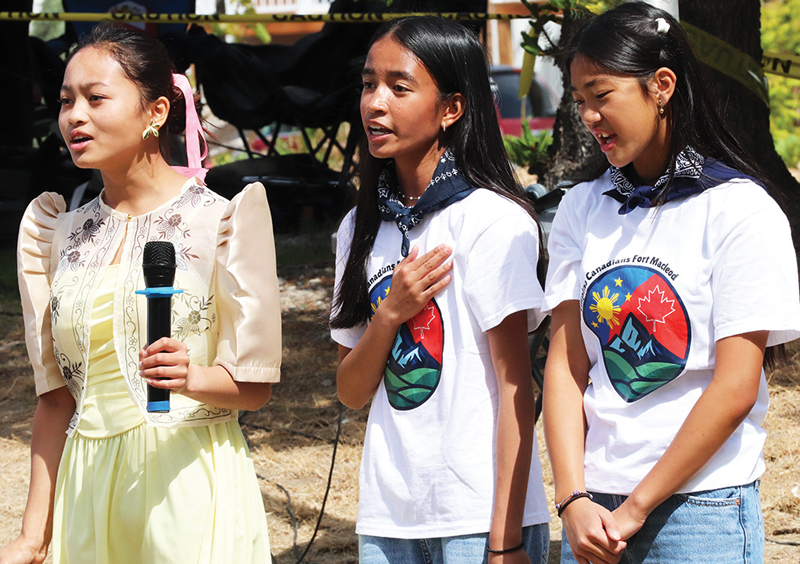
That was followed by the singing of both the Philippine and Canadian national anthems.
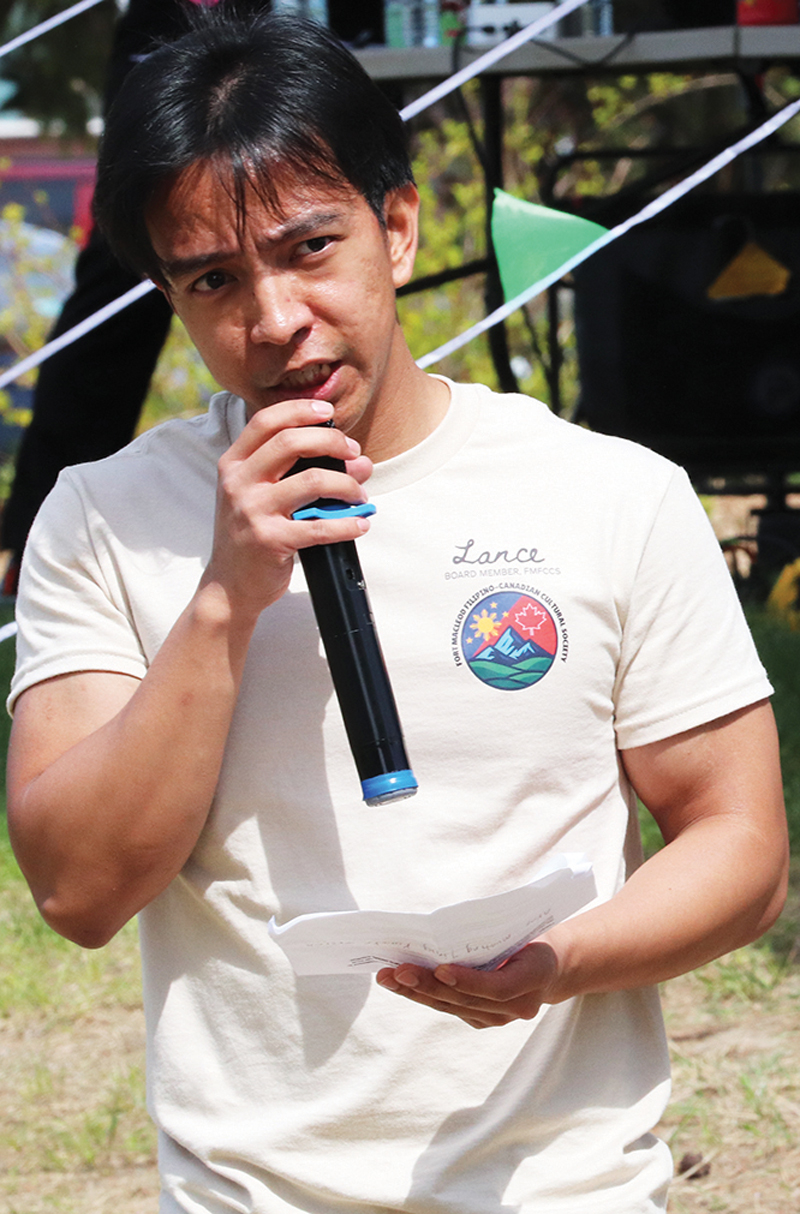
Lance Felicen gave a land acknowledgment, reflecting that immigrants to Canada have a responsibility to learn the history of the land, listen to Indigenous voices, and support reconciliation through respect and action.
“As people who now call Canada home, we hope to move forward with humility, gratitude, and a commitment to learning from the Indigenous communities, whose stewardship of this land continues today,” Felicen said.
Father Ben Tugano offered a blessing prior to a lunch of Filipino traditional foods.
There were performances by Jesus Is Love Fort Macleod-Lethbridge, the Stand Off Colony choir, the A’sitapiiksi Pow Wow Club, Summer Veer and Surveen, and the Fort Macleod Fil-Canadian Cultural Dancers.
Between the 16th and 19th centuries, the Philippines was a colony in the Spanish empire.
Following a revolution General Emilio Aguinaldo proclaimed the Philippines to be a free nation on June 12, 1898.
It was not until July 4, 1946, following the Second World War and removal of Japanese forces, that the Philippines gained independence and took control of its destiny.